
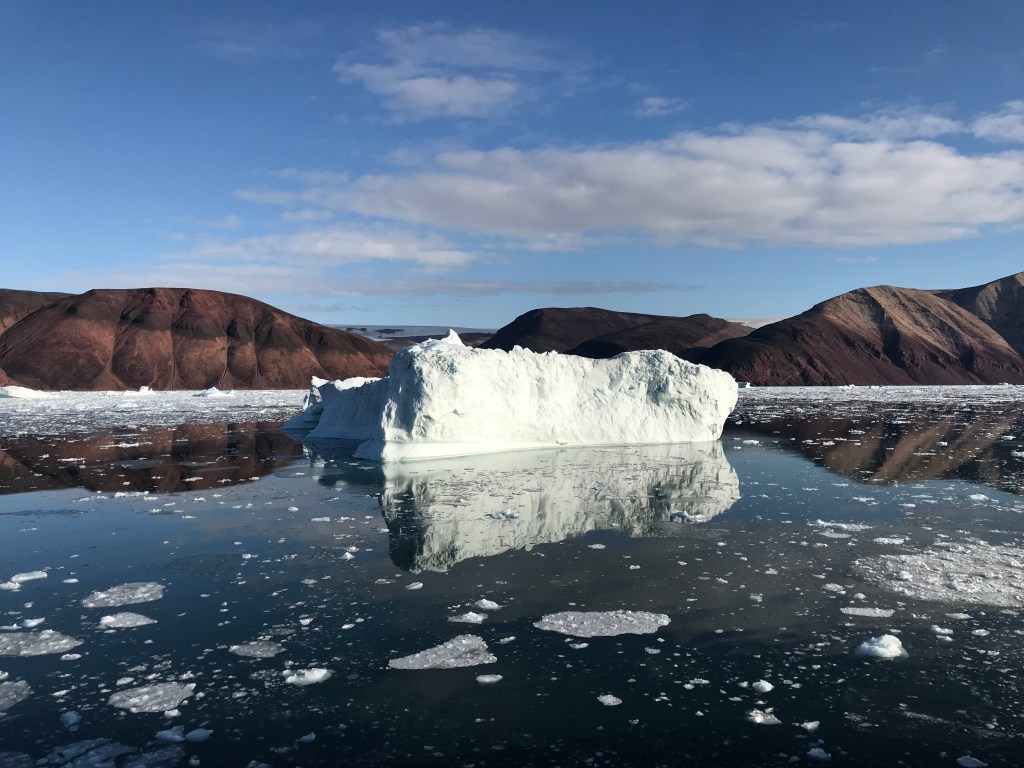
Most of us know two things about icebergs:
- 90% of an iceberg is underwater.
- An iceberg sank the Titanic.
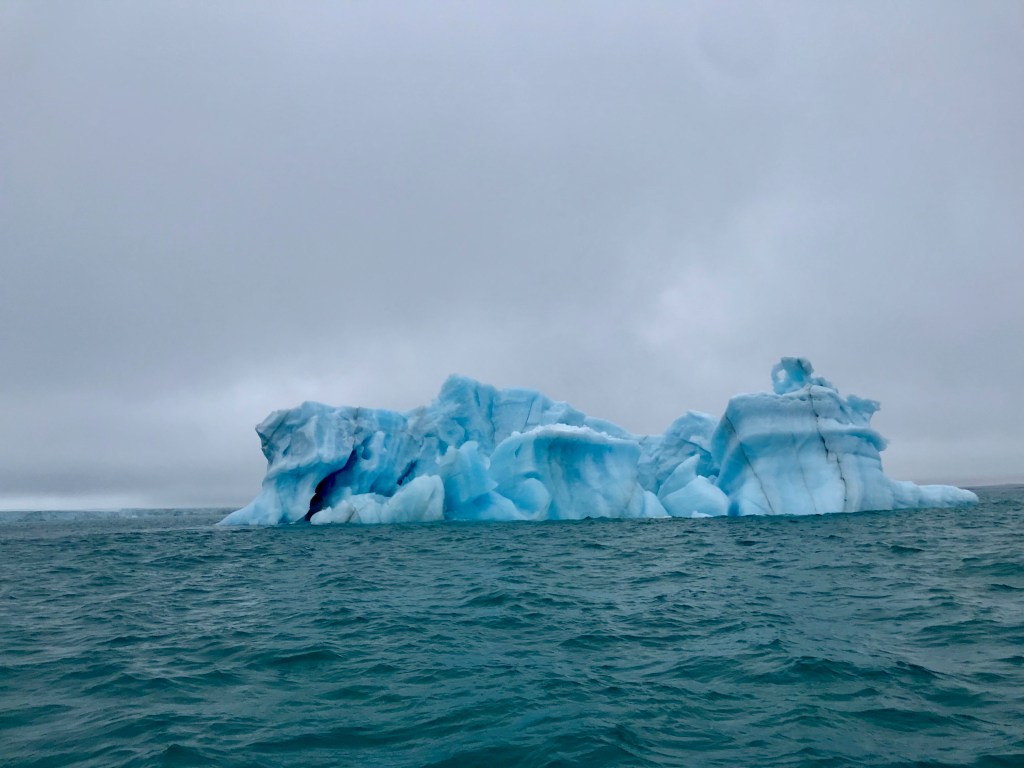
Upon arriving in the Arctic, I quickly realized that neither of these facts prepared me for the stunning variety and beauty of icebergs in the wild.
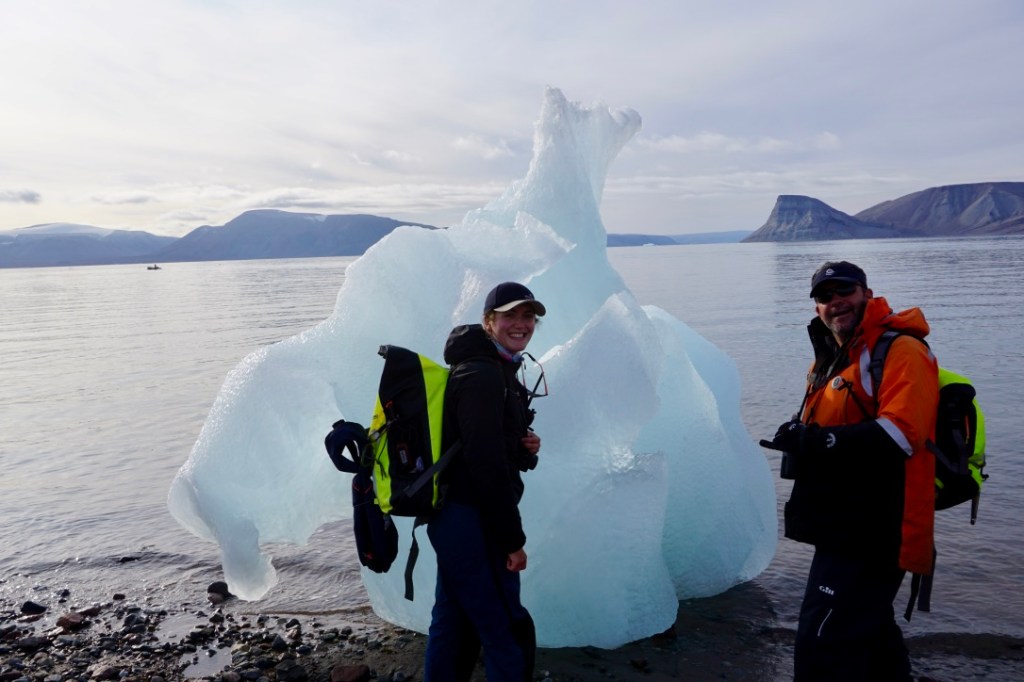
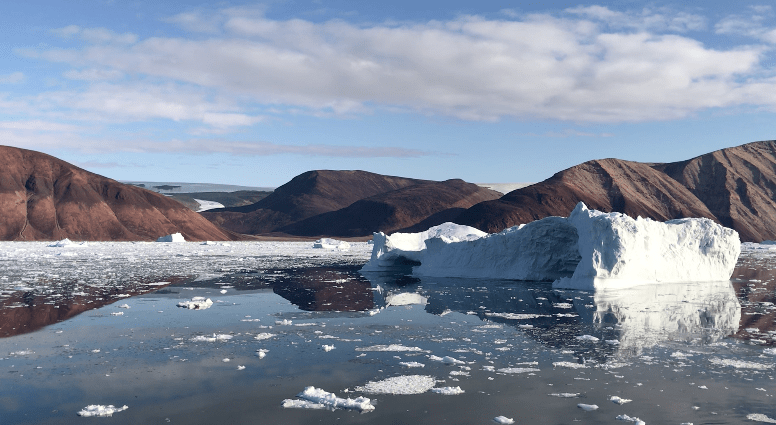
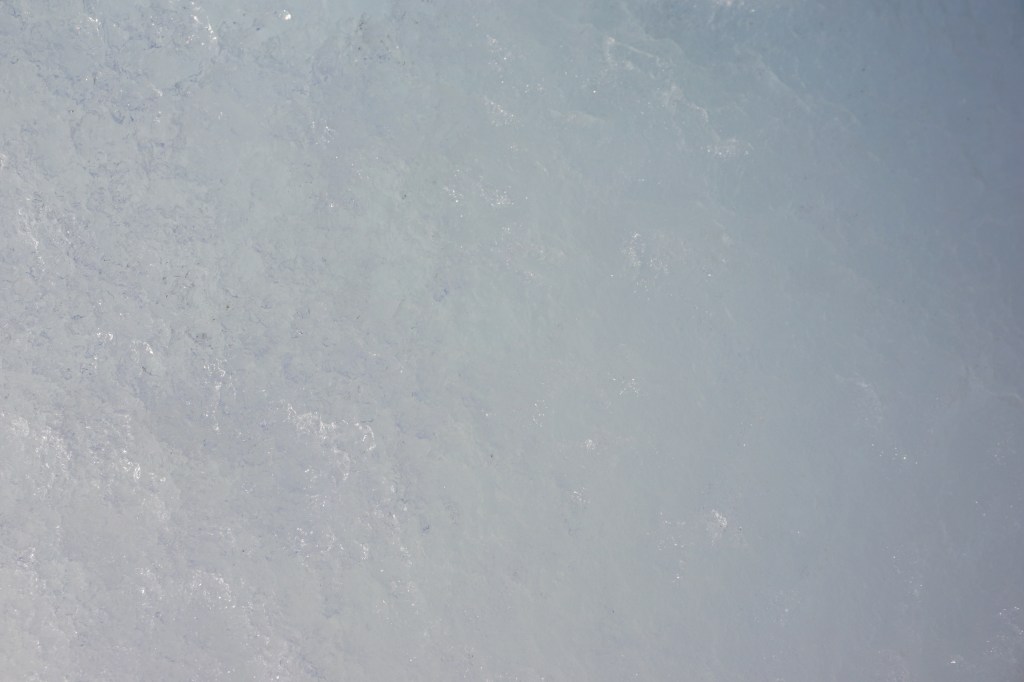
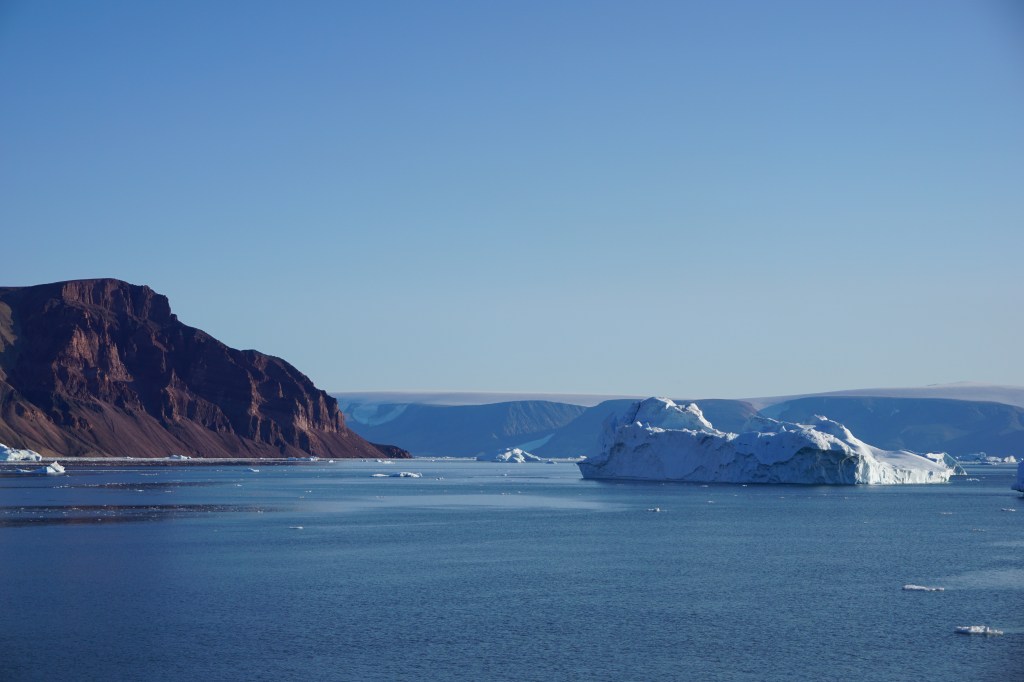
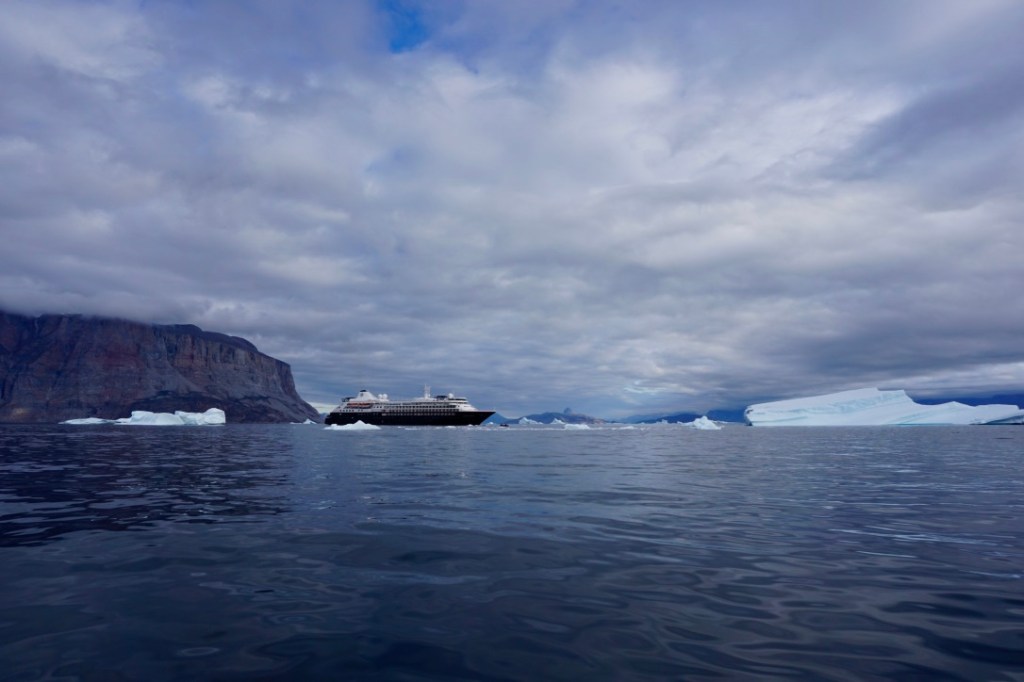
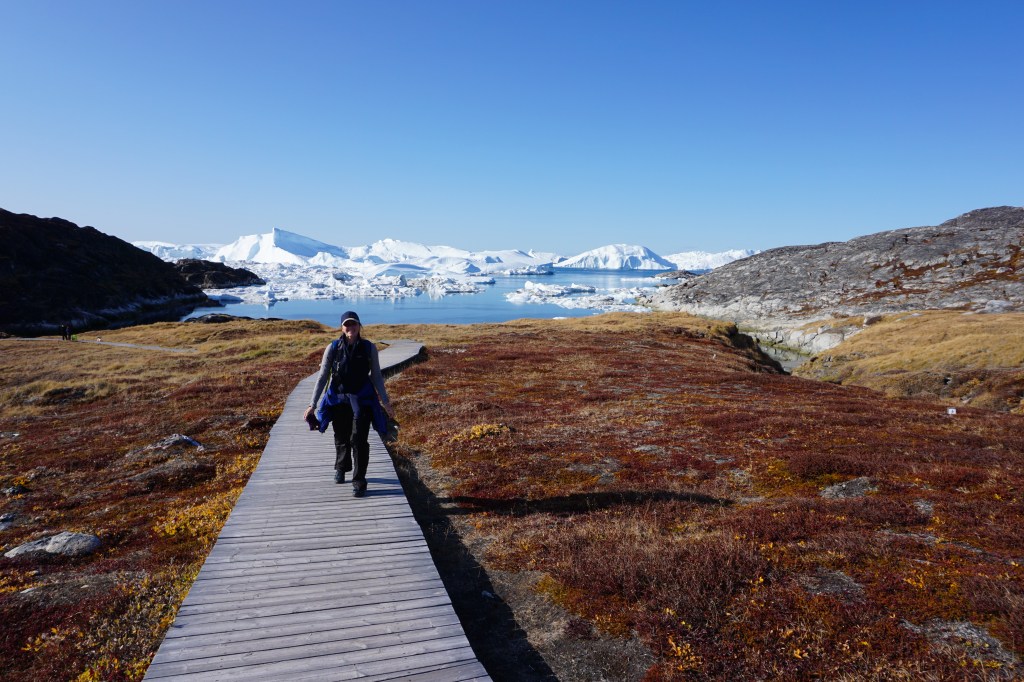
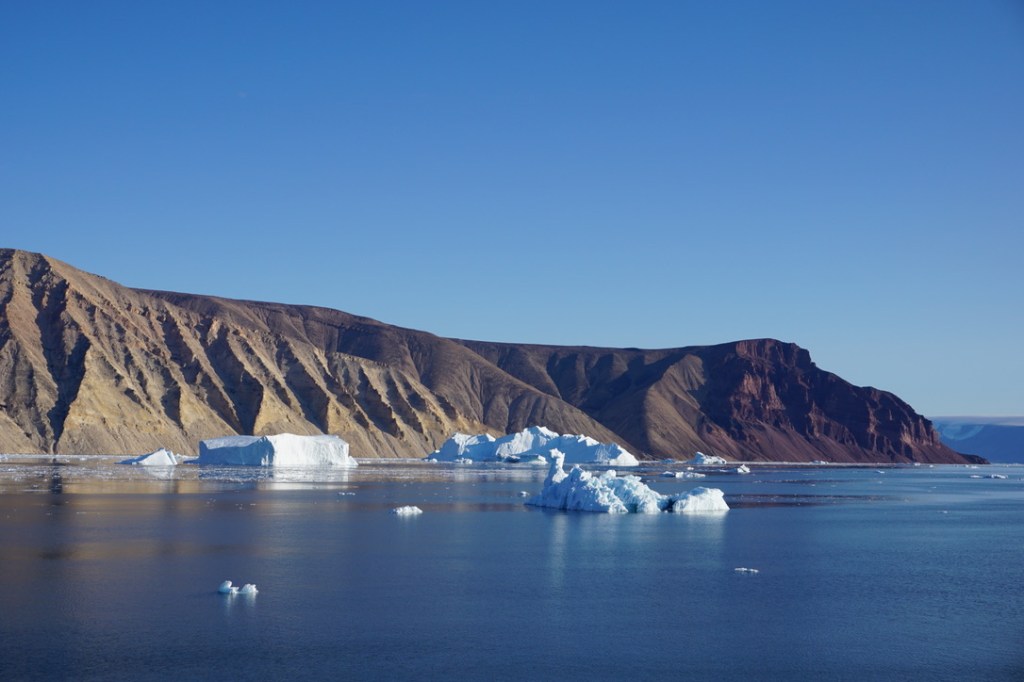
Getting to see and appreciate these icebergs up close was incredible. They quickly became one of my favorite things about the Arctic landscape. Here are a few photos I captured.
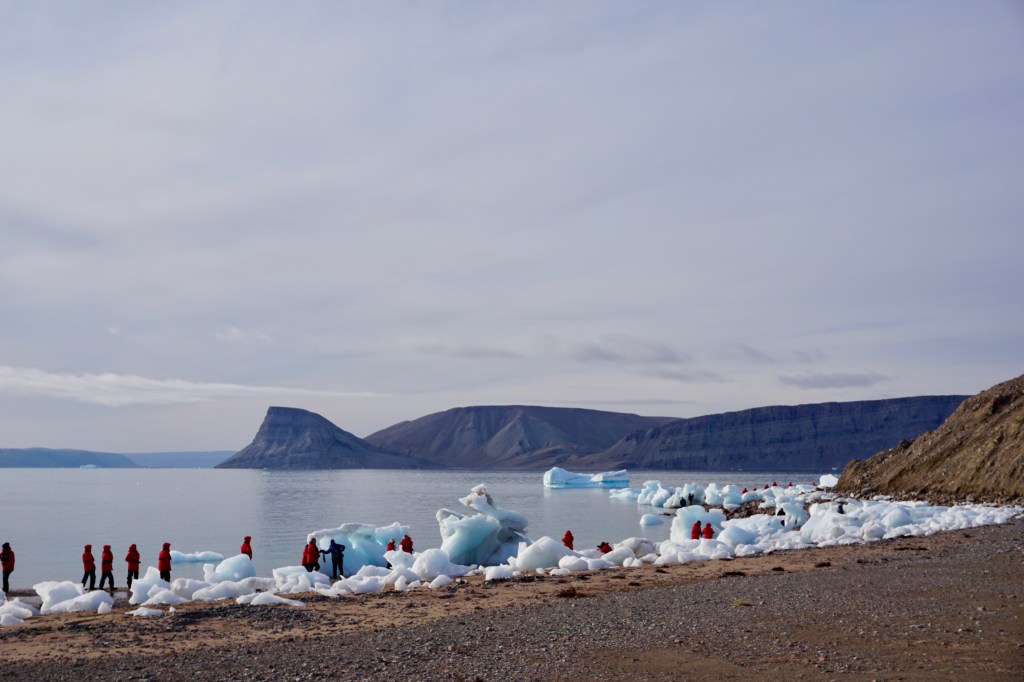
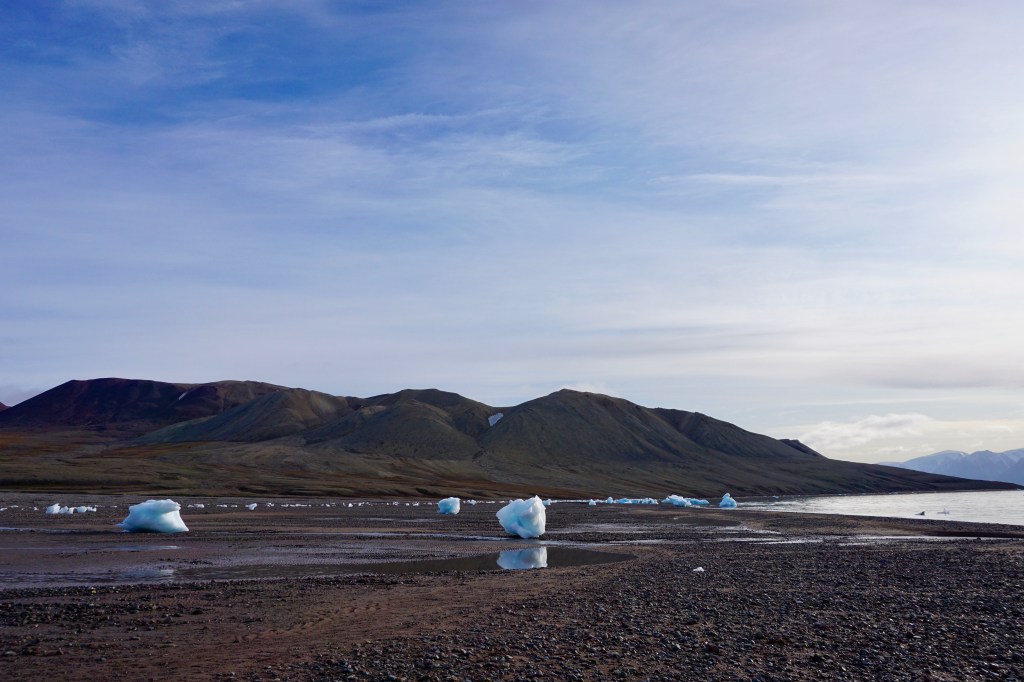
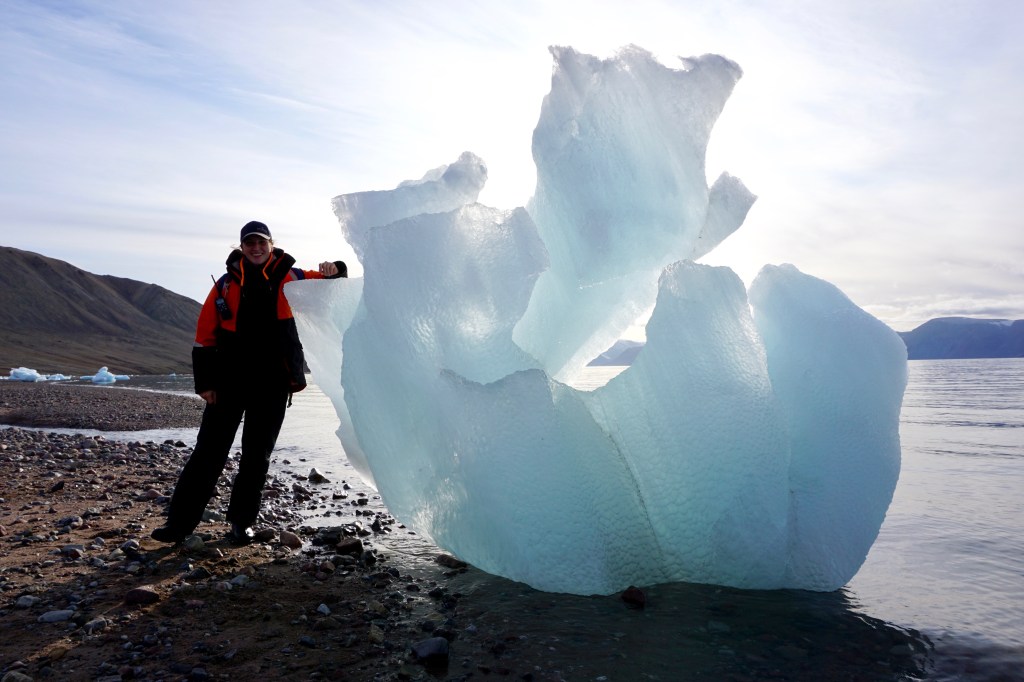
Since You’re Here, Enjoy Some Other Iceberg Facts:
What actually is an iceberg?
Icebergs are pieces of ice that formed on land and float in an ocean or lake. Icebergs come in all shapes and sizes! The term “iceberg” refers to chunks of ice larger than 5 meters (16 feet) across. Smaller icebergs are known as bergy bits and growlers.
How does an iceberg form and where do they go?
Icebergs form when chunks of ice calve (break off) from glaciers, ice shelves, or a larger iceberg. Icebergs will travel with ocean currents and sometimes get stuck ashore or get caught in shallow waters.
How far can icebergs float?
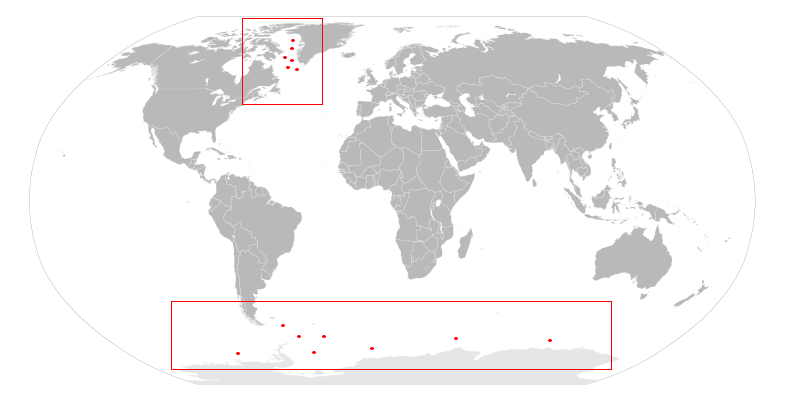
It can take large icebergs up to three or four years to melt. It’s been found that Greenlandic icebergs can float as far south as New York City before they finally disappear.
Why are icebergs different colors?
This one is a little more complicated.
This is because icebergs are made of snow and “glacier ice” (which is compressed snow). While a small amount of light reflects from the surface of an iceberg, majority of it enters the iceberg and interacts with bubbles of air trapped in the glacier ice. When this light hits snow particles or bubbles, it hits a boundary between ice and air and is bent and scattered.
Where there are a lot of bubbles and snow particles in the iceberg, all wavelengths of light are scattered before they get absorbed, and so we see a bright white color.The fewer bubbles there are, the less chance there is of light being scattered. In ice, this results in red wavelengths being absorbed, with only blue light being scattered and escaping the iceberg. This means we see a blue color.
TLDR; Lots of bubbles in the ice = white ‘berg. Fewer bubbles in ice = blue ‘berg.
Cool right?
Learn about the different types of icebergs!
- Dome icebergs have rounded tops.
- Pinnacled icebergs are the ones with the pointy tops.
- Sloping icebergs have angled but relatively flat tops.
- Tabular icebergs come with flat tops and steep flat sides (you’ll often see penguins congregate on this type of iceberg).
- Weathered icebergs are icebergs that have been sculpted by the weather into a fantastic variety of shapes.
Thanks for reading!
Happy travels,
AH
*I identify that I am an employee of Silversea and the thoughts expressed are my own.
 ajh.travel.blog
